Happy Breath will pay your shipping with orders of $100 or more (mainland US orders only).


Tails from the trail and tips on training your human

5 Wild Animals You May Come Across While Hiking
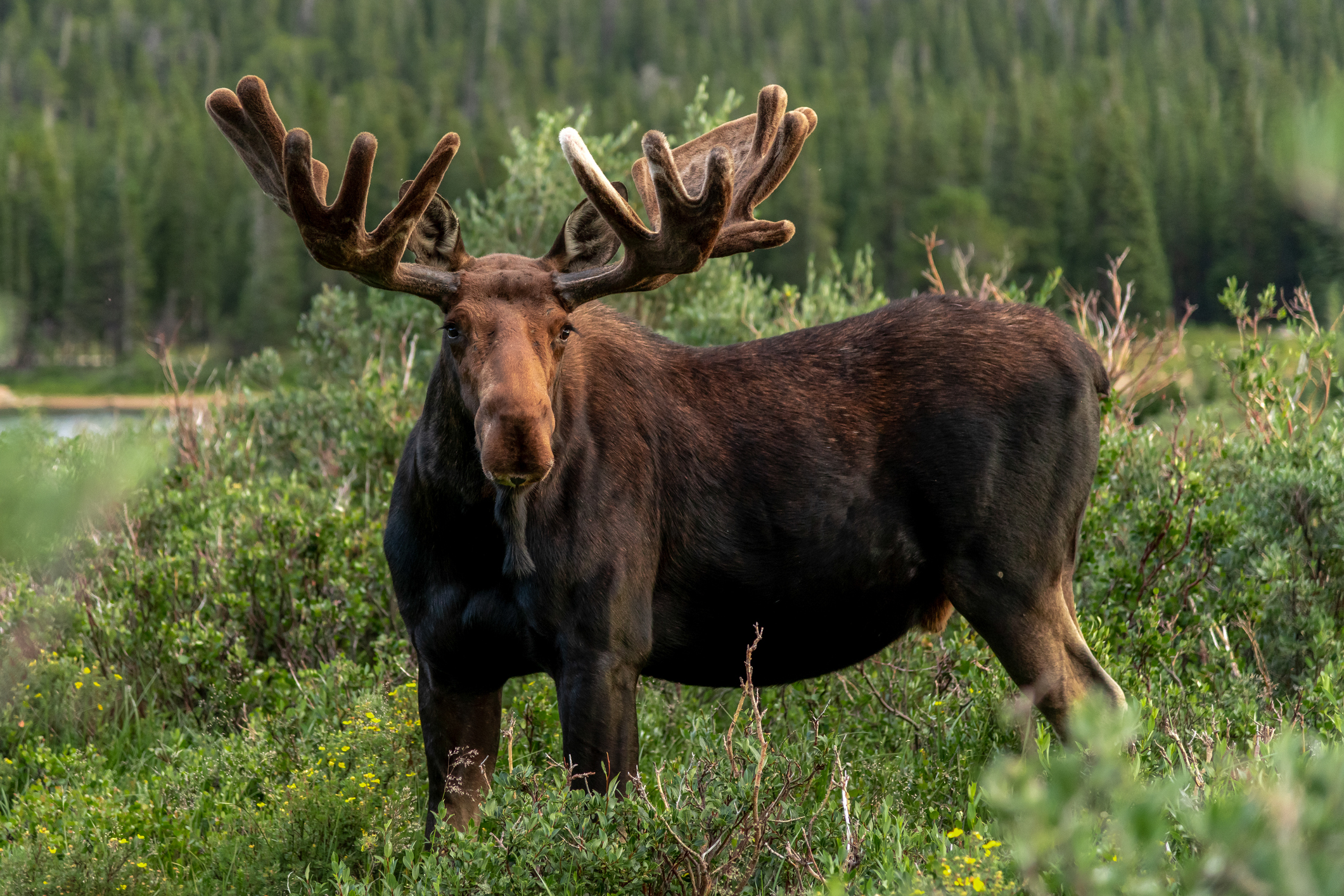
There are various wild animals that abound in nature. These animals are seen in different environments, including deserts, forests, and mountains. To give you an idea of what you should expect, these animals include the likes of cougars, bears, snakes, and moose.
5 Wild Animals You Come Across While Hiking
Here are some animals you may see on the trails and how to deal with them.
1. Mountain Lion
While you’re on the trail, the last thing you want is to come across a mountain lion. From Alaska to California, mountain lions are found all over the United States (mainly in the western region). These cats are also known as cougars.
When it comes to size, male cougars weigh between 115 and 220 pounds; on the other hand, females weigh between 64 and 141 pounds. In addition, they can be 6.5-7.5 feet tall.
Cougars are ambush predators, and they prefer rocky breaks and forested areas to sit and wait for the right time to attack.
How to Deal With a Mountain Lion
According to experts, surprisingly, mountain lions are much more afraid of humans than humans are of them. Nonetheless, encountering a cougar on the trail is something every hiker would want to avoid.
In case you come across a cougar (or cougars) on terrain, make sure you follow the steps mentioned below:
- Stand tall and firm so that you may seem large to them.
- Wave your arms.
- Don’t couch or pick anything in front of them.
- If they charge toward you, protect your head and the neck since they mostly attack those areas.
- Try to make loud noises.
- Make sure you act as a predator and don’t roll into a ball, and play dead to avoid looking like prey to them.
2. Black Bear
Though black bears are mainly found in Alaska and California, some breeds also live in Florida, Arkansas, North Georgia, and Maine. Their size and weight may vary depending on the parts of the U.S they reside in.
While an adult male weighs between 150 and 500 pounds, a female black bear weighs between 90 and 370 pounds. However, adult males may weigh around 750 pounds in some rare cases.
The black bears are typically omnivores, mainly eating roots, vegetation, and berries. On top of that, some black bear breeds have different colors, including dark brown and grayish brown.
How to Deal With a Black Bear
Though black bears typically tend to avoid humans (if they encounter them in the wild) and attack them only when they’re hungry, it’s no secret you’d still want to avoid facing them.
That said, if you come face to face with a black bear on the trail, make sure you follow these steps:
- Always carry a bear spray.
- Before spraying it, make sure you know how to use a bear spray.
- Only spray when black bears charge toward you – not sooner than that.
- If they don’t spot you, retreat slowly without alerting them.
- If they spot you, avoid eye contact since it can provoke them.
- Don’t run or climb trees since black bears are good at climbing.
3. Grizzly
The grizzly is a type of American bear that is much more dangerous than a black bear. Grizzlies are also bigger than the black bears in size, making them North America’s largest bears.
Unlike black bears, grizzlies have a shoulder hump when it comes to appearance. They are found in Alaska, Washington, Idaho, Yellowstone, Montana, and Western Canada.
Male grizzlies weigh around 400-800 pounds, while female ones weigh between 275 and 400 pounds. However, there have been rare cases in which they reached 1,400 pounds.
Grizzlies are known for being aggressive, especially female ones, while protecting their cubs.
How to Deal With a Grizzly
Encountering a grizzly on the trail is something you should avoid as much as possible. But how can you do that? During your hiking excursion, look for signs of their presence. These signs include bear poop, scratched trees, etc.
Unfortunately, if you somehow come across them, follow these steps:
- Avoid eye contact and retreat slowly and quietly since loud noises provoke them.
- Never turn your back, run, or climb
- Use bear spray if they charge toward you.
- Given their size (twice as larger as black bears) and strength, you can’t fight them. Therefore, lie down and play dead.
- While doing so, make sure you cover your body’s vital parts, such as the neck and head.
4. Moose
You might be surprised to see moose on our list. However, not to forget, moose are a force to be reckoned with. They can sometimes get aggressive for no particular reason. They are found in the Rocky Mountains, Alaska, Northeast, and the upper Midwestern states of the U.S.
When it comes to size and weight, a male moose can weigh around 840-1500 pounds; on the other hand, a female moose can be between 440 and 800 pounds.
In addition, they can be seven feet tall while having antlers that are six feet wide. They injure more hikers than bears.
How to Deal With a Moose
Moose are usually more active in summer when cows raise their calves. Therefore, you’re more likely to encounter them if you go on hiking during summertime.
If you come across a moose on the terrain, try these steps:
- Look for warning signs they give before charging, such as urinating, tossing their heads, or smacking their lips.
- If they charge, back off calmly since they only want to scare you.
- Hide behind a large boulder or tree to deter them.
- If they knock you down, get up and run since their hooves are more dangerous than their antlers.
5. Snake
Snakes are found all over the United States, with the majority residing in the country’s northern part. Though it is recommended to avoid any snake on the trail, keep your distance from the most venomous ones: Coral snakes, copperheads, and rattlesnakes.
These snakes usually hide beneath the rocks and logs, waiting for the right time to attack.
How to Deal With a Snake
If you somehow come face to face with a snake on the trail, follow these steps:
- Give them space. Move away slowly and quietly.
- Look for signs if they seem provoked. For instance, rattlesnakes give an extra warning through their signature tail rattle.
- Wear high-top boots and use trekking poles.
- Check rocks and logs before settling down.
- If they bite you, immediately seek medical assistance.
Final Words
While hiking might be an exciting experience to get into good shape and explore nature, it comes with its own risks. One of those risks is encountering wild animals on the trail. There are five dangerous wild animals you may encounter during your hiking excursion, from moose to snakes. If you ever encounter these wild animals while hiking, make sure you’re well prepared to deal with them.