Dog Junkie

Dog Junkie

Tails from the Trail and Tips on Training Your Human

Activism

Success Stories of the US Waterway Clean-Ups

BY MARIA DAVIDSON  |  DECEMBER 13, 2025

US Waterway Clean-Ups

Though it's been more than forty years since the Clean Water Act came into the spotlight, US waterways still face a myriad of challenges. However, there are some amazing success stories of the US waterway clean-ups you can take inspiration from.

According to the US Environmental Protection Agency, more than half of US waterways are in poor condition. However, we've seen drastic clean-ups of some rivers and lakes in recent years that make us believe there is a possibility of remediation.

Let's have a look at some jaw-dropping US waterway clean-up stories that will blow your mind.

Success Stories of the US Waterway Clean-Ups

Here are some fantastic success stories to take inspiration from:

Story of the Charles River

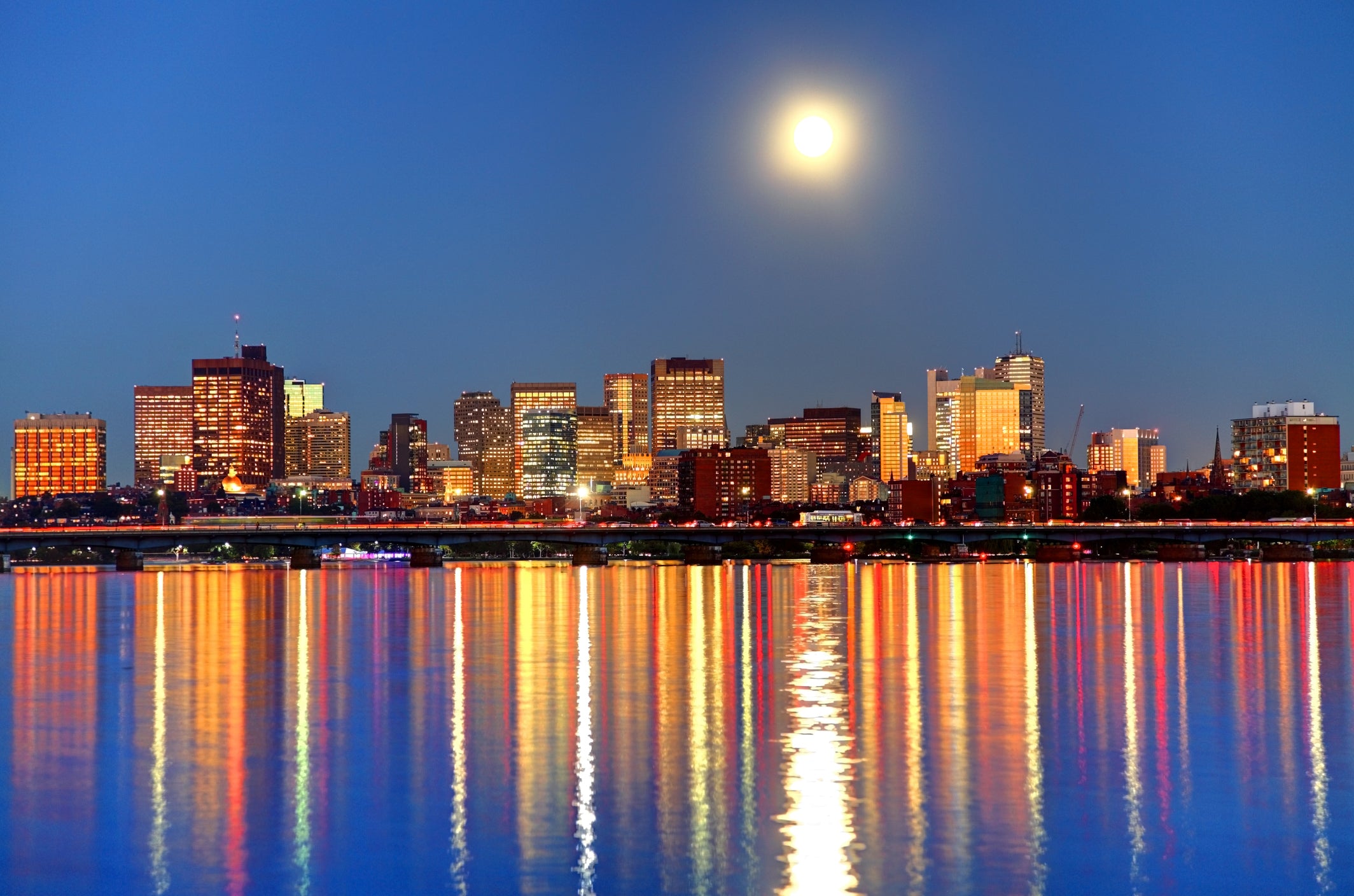
This story of Massachusetts' Charles River is a remarkable one. Many moons ago, this river was subject to heavy rainfall, with around 1.7 billion gallons of stormwater entering the river in a year, leading to the river being polluted. The Environmental Protection Agency later took this matter into their own hands. They managed to remove that pollution from the river with their tremendous efforts. In 2013, the authorities declared the Charles River swimmable for the first time in sixty-three years.

Story of The Ashtabula River

This story is about Ohio's Ashtabula River, contaminated with 25,000 pounds of polychlorinated biphenyls and other pollutants. The reason behind the Ashtabula River condition was the disposal of hazardous waste into it for decades. However, in 2008, the consistent efforts of volunteers and the state were instrumental in removing 630,000 cubic yards of toxins. Today, the Ashtabula River is safe for fishing and swimming.

Story of The James River

James River in Virginia was contaminated with sewage, industrial chemicals, and algae. This made the river a terrible place for swimming and fishing for humans as well as for animals. Due to pollution controls and waste-water treatment upgrades, the river has now recovered and is now safe once again. This rebirth of the James River has also allowed bald eagles, blue herons, and ospreys to return to the area.

Story of The San Diego Creek

In the 1990s, San Diego Creek, located in California, was heavily polluted with pesticides, thanks to agricultural runoff. The authorities ran education campaigns to teach homeowners techniques to prevent runoffs and pesticides to deal with this issue. After some time, these campaigns remarkably led to a dramatic turnaround, giving a new life to San Diego Creek.

Story of The Bass Lake

Wisconsin's Bass Lake once became a victim of mass fish die-offs and algae growth. Agricultural activities and runoff from livestock operations were the leading causes of Bass Lake's condition. When the matter became significantly severe, the authorities took action. They implemented barnyard-control activities and sediment-control systems that removed algae blooms and gave new life to Bass Lake.

Story of Arizona's Rivers

This story is related to Natural Restorations, which Nicole and Justin Corey lead. In 2018, the organization hosted thirty clean-ups that involved around twelve hundred volunteers who successfully managed to remove twenty-two thousand pounds of waste from Arizona's rivers.

Story of The Uncompahgre Watershed Partnership and The Buffalo National River Partners

This story is about the remarkable efforts of the Uncompahgre Watershed Partnership that performed a clean-up involving twenty-three volunteers to remove six thousand pounds of trash from various rivers. The Natural Restorations carried out a clean-up on National Public Lands Day that involved six volunteers who removed two thousand pounds of waste.

Story of The Boardman River Clean Sweep (BRCS)

Founded by Norman Fred, Boardman River Clean Sweep (BRCS) is on a mission to clean up our rivers. This organization hosts seventeen clean-ups each year to remove waste from rivers in Michigan and Transverse City. This organization has experienced paddlers as volunteers that perform clean-ups by boat. They conduct one of their annual clean-ups on the Betsie River, with many salmon and trout fishing areas.

Story of The Mississippi River

This story of the Mississippi River belongs to the Sustainability Club that collaborated with a nonprofit organization named Freshwater. Their clean-ups involved thirty volunteers who successfully cleaned 2.6 miles of this 2,320-mile river. In the clean-up activity, volunteers collected twenty-seven trash bags, weighing around three hundred pounds.

Story of The Michigan River

This story is of the President of the Michigan Clean Up Our River Banks, Joshua Radhs, who led a group of ten volunteers to remove over five thousand pounds of waste from ten different regions of the Michigan River.

Story of The Bronx River

In 2017, Roseanne Andrade, a member of the Teddy Bear Project, got together with five volunteers to host multiple clean-ups on different sites of the Bronx River. During the clean-up, the volunteers managed to remove around five hundred pounds of trash from twenty different sites of the Bronx River.

Story of the Chesapeake Bay

This is the story of Clean Bread and Cheese Creek, who collaborated with around six hundred volunteers, managing to remove over thirty-six thousand pounds of trash from eleven different sites. This group has done a phenomenal job involving various businesses and residents to keep their efforts going. The Chesapeake Bay clean-up took place in 2017, and the group is still conducting its clean-ups with the same spirit.

Story of The Eastern Pennsylvania Coalition for Abandoned Mine Reclamation (EPCAMR)

Though EPCAMR has been around for over two decades, they have only conducted four clean-ups. Nonetheless, they've made a significant impact already, involving ninety-three volunteers and removing around sixteen thousand pounds of trash from Mahoney Creek this year.

Final Words

Even decades after the passing of the Clean Water Act, the US waterways are still facing significant challenges when it comes to conducting clean-ups. However, some organizations and people still go about clean-ups with amazing passion and spirit. The US waterway clean-up stories mentioned above indicate that remediation is still possible as long as we continue to put our hearts into ensuring that our rivers are clean for generations to come.

by Maria A Davidson

We are in business to provide great products for the outdoorsy hikers, campers and their dogs; and to help clean our parks, rivers and oceans for a better planet earth for hikers and their dogs.

Parks Clean

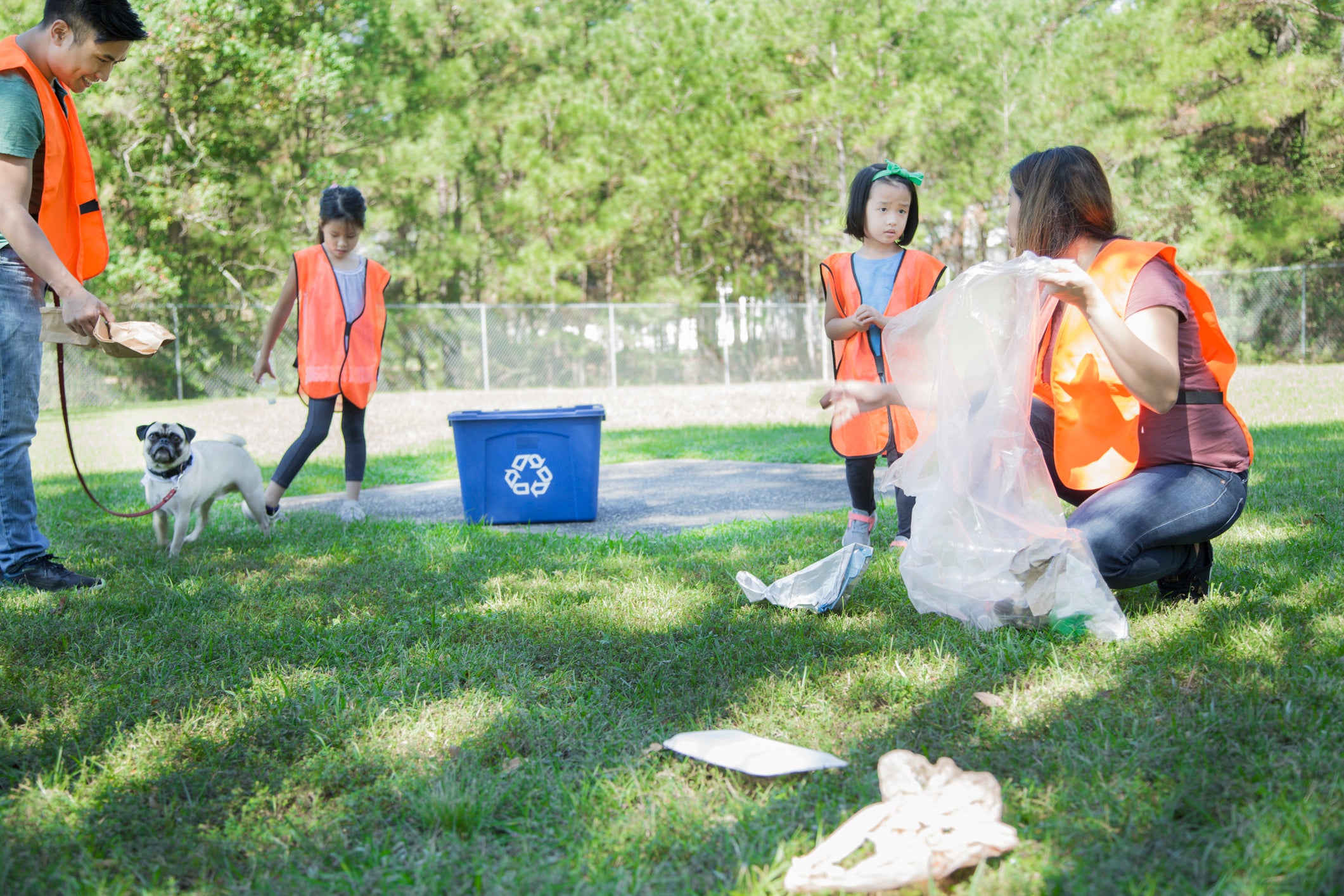
Parks are high-traffic areas in most cities. This means that trash is bound to show up in and around your park and playground. When discussing ways your family can help clean your local park, don't overlook a literal cleanup! Picking up trash will make a huge difference in the appearance and vibe of your park. A clean area will encourage others to keep the park pristine. When picking up trash and debris, make sure to wear gloves to protect yourself, and put trash in appropriate receptacles or lawn bags. You can also contact your local trash company to schedule a pickup when you are finished.

Rivers Clean

The storm drain on your street collects the water from your roof, driveway, and sidewalk and funnels it directly in your local lake or river. Nutrients from grass and leaves, pet waste, and fertilizers "enrich" our lakes and streams — feeding algae blooms and harming fish. Chemicals from washing your car in the drive and household chemical spills add up, taking a nasty toll on our favorite swimming areas and fishing spots.

So as you prepare your lawn and garden, here are a few helpful tips to keep our lakes and rivers beautiful and safe for all of us:

  • Use mulch and vegetation to keep soil from washing away
  • Sweep or rake grass and leaves away from street curbs
  • Mulch and compost grass clippings and leaves
  • Keep paved surfaces to a minimum
  • Capture water runoff with a rain garden and rain barrels
  • Wash your car on the grass, where the water will get filtered
  • Keep chemicals away from storm drains
  • Collect your pet's waste
  • Aim your rain-gutter downspouts onto grass

Beaches Clean (do it for the ocean)

In 2007, the United States Senate and House of Representatives passed the National Clean Beaches Week Resolution to recognize the value of beaches to the American way of life and the important contributions of beaches to the economy, recreation, and natural environment of the United States.

Clean Beaches Week, celebrated annually July 1-7, offers the perfect opportunity to encourage stewardship and volunteerism along our coastlines. Follow these tips to get started:

  • Identify a clean-up site that needs some TLC, making sure volunteers can safely access it
  • Choose a site coordinator to keep everything on track before, during, and after the event
  • Visit the site in advance to plan check-in stations and volunteer areas
  • Gather supplies: trash bags, first aid kit, hand sanitizer, gloves, water, and sunscreen
  • Plan how to handle recyclables — reach out to local recyclers in advance
  • Line up event partners and local businesses for donations of drinks, food, and supplies
  • Plan for handling hazardous waste with clearly labeled containers
  • Recruit volunteers through friends, family, co-workers, and social media
  • Stay safe and be prepared for a variety of health emergencies
  • Take photos and post online to recognize volunteers and share your success!

More from the Trail